
Plastic Blow Molding: Techniques, Applications, and Advantages
By:Admin
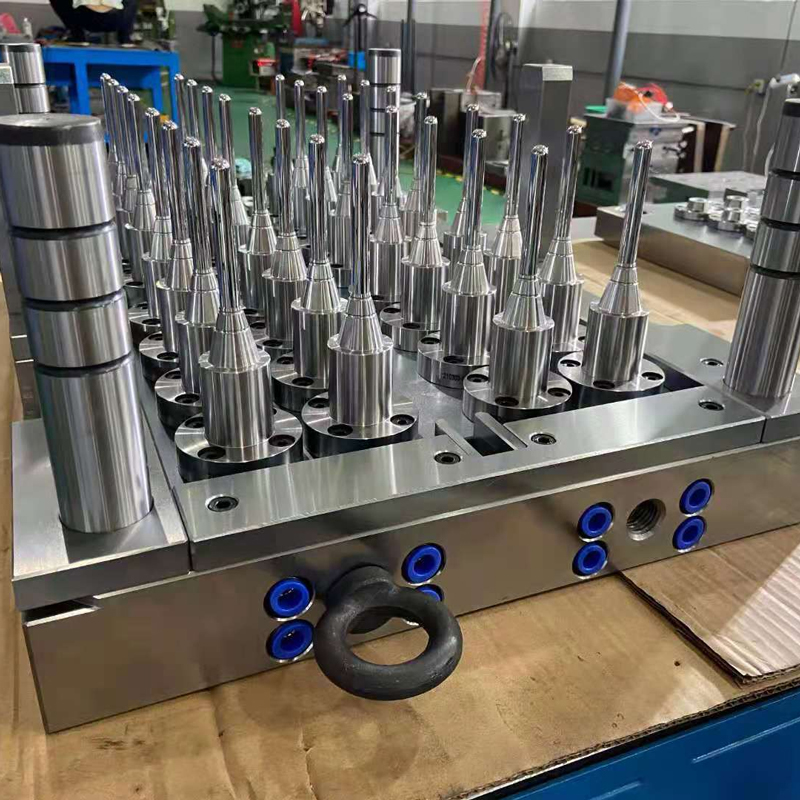
The plastic blow molding sector is witnessing remarkable advancements, driven by evolving technologies and increasing demand for lightweight, durable packaging solutions across various industries. This process, which involves shaping hollow plastic parts by inflating heated plastic tubes inside molds, continues to revolutionize the manufacturing landscape by offering efficient production methods and versatile design capabilities.
**Industry Overview**
Plastic blow molding has long been a preferred method for creating hollow containers such as bottles, drums, and tanks. Its ability to produce consistent, high-quality products at scale makes it indispensable in sectors ranging from food and beverage to pharmaceuticals and automotive. As consumer preferences shift towards sustainable and innovative packaging, the plastic blow molding industry is adapting through enhanced machinery and materials.
Manufacturers are increasingly focusing on integrating automation and precision control into blow molding equipment. These advancements not only improve production speed and reduce waste but also allow for more complex and lightweight designs without compromising strength. The adoption of energy-efficient systems and recyclable materials is another critical trend reshaping the industry, aligned with global sustainability goals.
**Technological Developments**
Recent innovations in plastic blow molding technology include multi-layer molding techniques, which enable the combination of different polymers to improve barrier properties and product longevity. This is especially beneficial in the food and beverage sector where freshness and shelf life are crucial.
Another breakthrough is the implementation of servo-driven machinery that enhances process control, reduces cycle times, and ensures repeatability in production. The integration of IoT sensors and real-time monitoring systems provides manufacturers with valuable data to optimize operations, minimize downtime, and maintain product quality.
Additionally, advancements in mold design and simulation software allow engineers to foresee potential manufacturing issues and streamline the development process. These tools help in reducing trial-and-error cycles, saving time and resources while achieving superior product performance.
**Market Demand and Applications**
The growing global population and increasing urbanization have fueled demand for plastic containers that are both functional and environmentally friendly. The healthcare sector, for example, relies heavily on blow-molded bottles for pharmaceutical packaging, requiring stringent quality and safety standards. The automotive industry uses blow-molded parts for fuel tanks and various fluid reservoirs, benefiting from the technique’s ability to produce complex shapes with high durability.
In the food and beverage industry, innovations in plastic blow molding support the trend towards smaller portion sizes and convenience packaging. Lightweight bottles that maintain product integrity during transportation and storage have become essential. Moreover, the shift towards recycled and bio-based plastics is encouraging manufacturers to reexamine material choices and collaborate with suppliers to develop sustainable solutions.
**Sustainability and Environmental Impact**
Environmental concerns have prompted the plastic blow molding sector to pursue greener manufacturing practices. The use of recycled polymers and the development of biodegradable alternatives are significant steps towards reducing plastic waste. Manufacturers are investing in research to improve the compatibility and performance of recycled materials in blow molding processes.
Energy consumption during production is another critical focus. Modern blow molding equipment is designed to be more energy-efficient, utilizing rapid heating and cooling systems to minimize power use. Additionally, waste minimization strategies such as scrap recycling within the production cycle contribute to overall sustainability.
**Company Expertise and Commitment**
With decades of experience in the plastic manufacturing arena, leading companies bring a wealth of expertise to the plastic blow molding field. Their commitment to innovation, quality assurance, and customer service positions them as preferred partners for businesses seeking tailor-made packaging solutions.
By continuously investing in research and development, these companies stay at the forefront of technological trends and regulatory requirements. Their advanced facilities house state-of-the-art blow molding machines capable of handling diverse applications and materials. A skilled workforce combined with robust quality control systems ensures that every product meets or exceeds industry standards.
Furthermore, customer collaboration is integral to their approach. By understanding unique market needs and challenges, they develop customized molding solutions that optimize performance, cost-efficiency, and sustainability. Comprehensive after-sales support, including maintenance and technical training, strengthens long-term partnerships.
**Future Outlook**
The future of plastic blow molding looks promising as innovation and sustainability continue to drive the industry’s evolution. Emerging technologies such as additive manufacturing and advanced robotics are expected to complement traditional blow molding processes, offering even greater design freedom and manufacturing agility.
As regulatory landscapes tighten around plastic use and waste, companies are anticipated to accelerate the adoption of eco-friendly materials and circular economy practices. Collaboration across the supply chain will play a crucial role in achieving these goals.
In conclusion, plastic blow molding remains a vital manufacturing process with dynamic growth potential. Through technological advancements, sustainable practices, and dedicated expertise, the industry is well-equipped to meet the demands of a rapidly changing market while contributing positively to environmental stewardship.
---
*This article reflects the ongoing developments and strategic directions within the plastic blow molding industry as it adapts to modern challenges and opportunities.*